
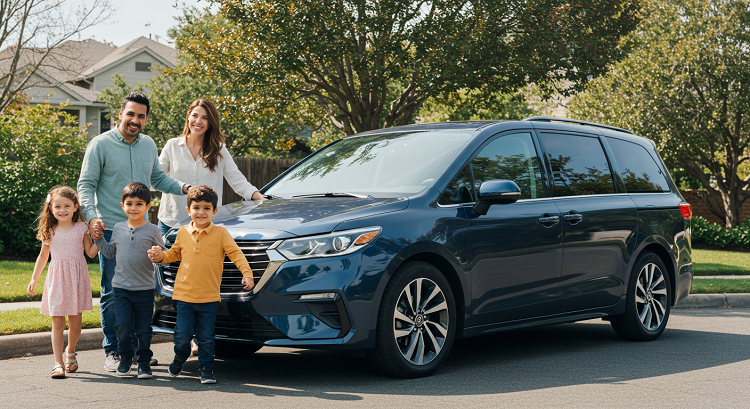

Choosing the right family car isn’t just about how it looks in the driveway. It’s about safety, space, comfort, and how well it fits into your everyday life. Whether you’re navigating the school run, weekend sport, or long road trips, there’s a lot riding on this decision. So before you hand over your money and drive away, make sure you’ve looked at the bigger picture.
Here are seven key things that can make or break a car’s ability to serve your family well.
1. Safety First – Always
When it comes to your family, safety should never be optional. Look for vehicles with strong safety ratings and up-to-date crash test results. Most modern cars come with a long list of safety features, but not all of them are standard across the board.
Keep an eye out for things like:
- Electronic stability control
- Autonomous emergency braking
- Lane keeping assist
- Blind spot monitoring
- Rear cross-traffic alert
- ISOFIX anchor points (if you’ve got young kids in car seats)
Don’t just rely on a badge or a vague safety claim. Dig into what specific features are included and how well the vehicle has performed in real-world testing.
If you’re shopping at a car yard, take the time to ask detailed questions about safety features across the range of models available. A good salesperson should be able to tell you what’s included, what’s optional, and which models have the best records.
2. Space That Actually Works
Families come with gear. Whether it’s prams, nappy bags, school backpacks, sports equipment, or suitcases, you need more than just seats. You need practical, accessible space.
Make sure there’s enough room in both rows for growing kids or tall adults. Check how easy it is to get in and out of the back seats, especially if you’ll be wrangling toddlers or car seats. And when it comes to the boot, don’t just glance. Actually, open it up and see what fits.
Some vehicles look spacious but have oddly shaped cargo areas that make them hard to use. Others have impressive storage but compromise heavily on passenger comfort. Look for a balance between both.
3. Fuel Efficiency and Running Costs
A family car doesn’t stop costing money once it’s been purchased. Fuel economy, servicing, insurance, and repair costs all add up over time.
Check the fuel consumption ratings, but also ask around to see how the car performs in real-life conditions. Big SUVs might feel safer, but if you’re clocking lots of urban kilometres, you might end up paying more at the pump than you expected.
Also, consider the ongoing costs:
- Servicing schedule – How often does it need a service, and how expensive are those visits?
- Insurance premiums – Larger or more powerful cars often come with higher rates.
- Replacement parts – Some cars have pricey or hard-to-source parts that drive up repair costs.
Buying the car is only step one. Think long-term to avoid surprises down the track.
4. Seating Flexibility and Comfort
No two families are the same, and a good family car should offer some level of flexibility. Can the rear seats slide, recline, or fold flat? Is there a third row, and if so, is it actually usable for people older than ten?
Comfort also matters. You’ll spend hours in the car each week, and if your kids are squashed or uncomfortable, you’ll hear about it. Make sure the seating is supportive, legroom is generous, and climate control reaches the back rows.
Cup holders, charging ports, seat pockets, and other small features can make a big difference when you’re spending long hours behind the wheel or stuck in traffic with cranky passengers.
5. Tech That Helps, Not Hinders
Some cars are packed with high-tech features that are more confusing than helpful. The best tech in a family car is intuitive and functional.
Look for:
- Rear-view camera and parking sensors – Essential in busy school zones or shopping centres
- Touchscreen infotainment systems – With smartphone compatibility, so you’re not fumbling
- Built-in navigation – Great if you’re trying to avoid data charges or dead zones
- Rear entertainment screens – Optional, but very useful on long drives with kids
Don’t get swept up in fancy features that you won’t use. Prioritise practicality over novelty.
6. Driveability and Handling
You’ll probably be driving this car daily, and not always in ideal conditions. Whether it’s school traffic, tight shopping centre car parks, or late-night pick-ups in the rain, you want a car that’s easy to handle and comfortable to drive.
Test drive it in conditions similar to your usual routes. If you mostly drive in the city, make sure it handles stop-start traffic well. If you’re more rural or plan long trips, check how it feels at higher speeds and on rougher roads.
Also, pay attention to:
- Turning circle
- Visibility from the driver’s seat
- Ride quality over speed bumps or potholes
- Acceleration when overtaking or merging
You want something that feels stable and responsive, not clunky or sluggish.
7. Buying from the Right Place
Not all buying experiences are equal. While you might find great deals online or through private sellers, many families still choose to buy from a licensed seller. This can offer peace of mind, especially when buying second-hand, because there’s often access to mechanical checks, warranties, and financing options.
The key is to do your homework first. Walk in knowing what you need, and don’t be rushed into a decision. Whether you’re looking at new or used models, inspect the car thoroughly and take it for a solid test drive.
If something doesn’t feel right, it’s okay to walk away. There are always other options.
The Car That Grows With You
A great family car isn’t about ticking off a list of features. It’s about finding something that adapts to your family’s changing needs. From your baby’s first drive home to busy afternoons full of school pickups and weekend sport, your car plays a huge part in your day-to-day.
So choose something you’ll still be happy with a few years from now. Think about the small things that make your life easier. And most importantly, make sure the car works for you, not the other way around.